Juniper Cozy of Kanaka
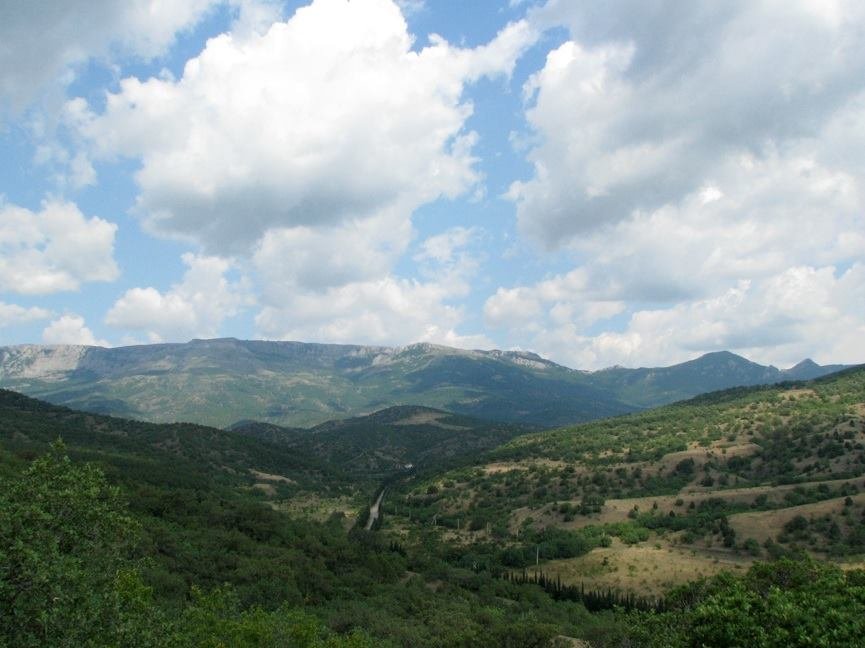
The incredible beauty of Kanaka, located in Crimea.
Maksym Dubovyaz. "Krymska Svitlytsia" newspaper, 2017, issue No. 6
The coastal highway winds like a twisting mountain river through the entire resort and grape-growing southeastern Crimea. Buses and cars traverse the highway's switchbacks slowly, now pulling themselves up the heights of passes, now sliding on brakes down into the small valleys of tiny rivers that carry the clean water of mountain springs to the Black Sea. In winter, the roads are almost empty; the summer season fills them with herds of tour buses.
Crimea along this route is so rich in history and scenery that there is both something to listen to and admire all along the way. Voloshin's Koktebel and Otuz will flash past the windows, along with the incredibly beautiful Kara-Dag. For a few seconds, the fantastic country of Meganom will offer a view from the pass above the Koz valley. Next is Sudak with its famous fortress, followed by Novyi Svit with the patterned capes of medieval Paradise; past Kapsikhor, the ruins of the castle of the di Guasco brothers will remind of Genoese antiquity, and further on lies the village of Skuti, modern Uskyut.
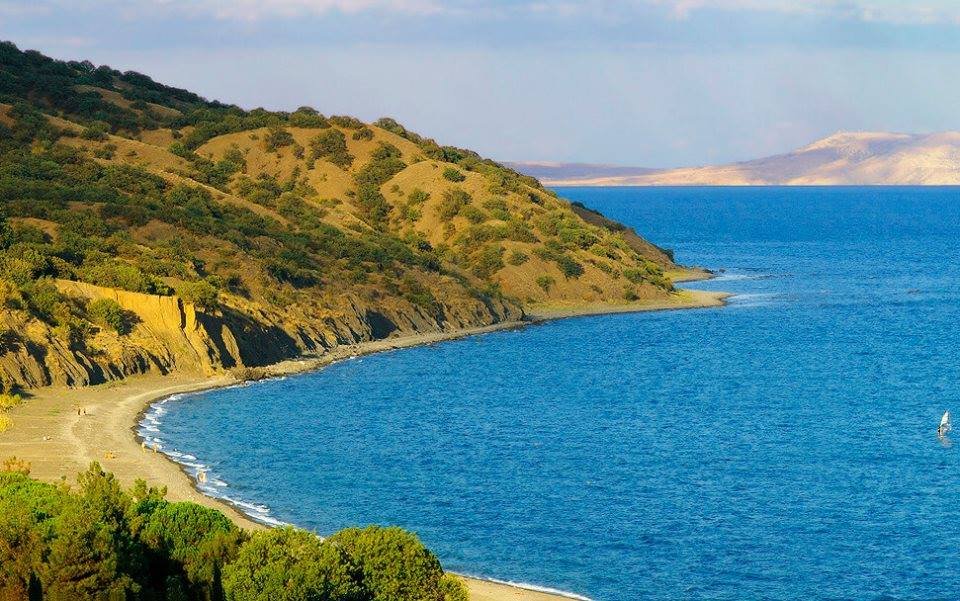
And here, at last, is Kanaka. Exactly halfway between Sudak and Alushta, a long narrow valley of a mountain river that no longer exists. But it did! Old people say that there was a port at its mouth, and ships from the sea entered the river, though they do not say when that was, or under which tsars and heroes. By the way, Maksim Gorky mentions this little river. On one of his Crimean journeys, traveling from one working cooperative to another, in early September he once had to wait a good two days for the raging Kanaka to subside within its banks after downpours.
And here is what the researcher Peter Simon Pallas wrote about these places a hundred years before that: "A large stream, which dries up in summer, and in autumn and rainy weather reaches 30 sazhens (60 meters) in width during its flooding, must flow from half the height of the alp, emptying into the sea. The Tatars call this stream 'Kanaka.'" Now this river can only be seen after a heavy downpour in the mountains.
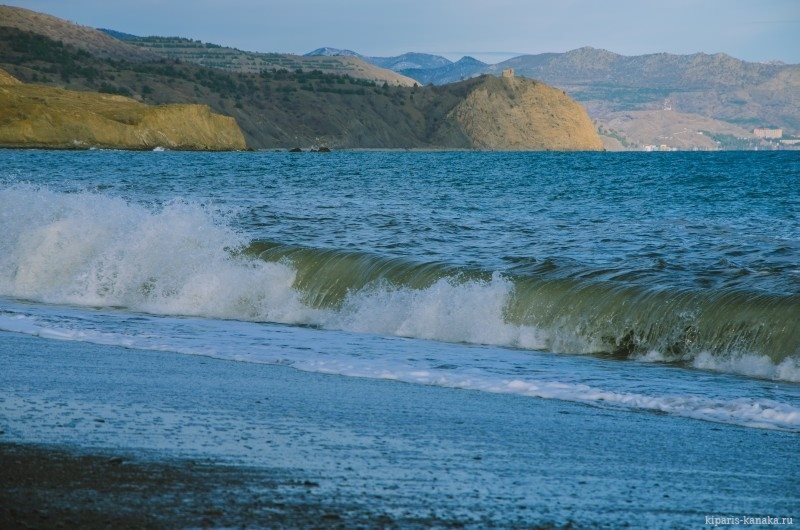
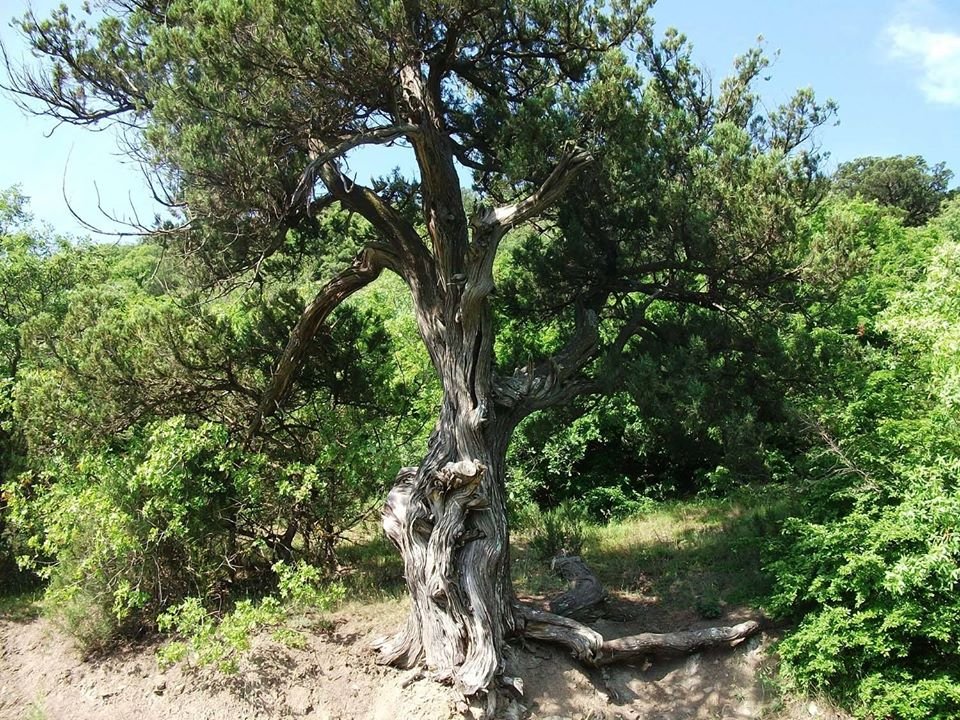
But the true wealth of the Kanaka Valley is the relict grove of Greek juniper (Juniperus excelsa) and Mt. Atlas wild pistachio (Pistacia mutica). These plants survived the Ice Age and have been preserved in some places on the Southern Coast in Foros, near the Nikitsky Botanical Garden on Cape Martyan, in Kanaka, and in Novyi Svit.
As for the name "Kanaka", in this part of Crimea, names are generally beautiful and unusual: Karabi, Arpat, Kapsikhor, Tuak, and so on. Often they have controversial translations, and the historical intertwining of languages in Crimea allows for different versions. There is an assumption that "Kanaka" comes from "konak," which in Turkic languages means "lodging." This interpretation was put forward by Simferopol local historian Ihor Belyansky. There is also a more phonetically similar option, though its correspondence has yet to be proven: "khanqah" (place of worship).
And there is also a Greek, mythical version, according to which Canace (Kanaka) is the name of the daughter of the wind god Aeolus and wife of Poseidon, the ruler of all seas, including the Black Sea, which has embraced this strange peninsula for thousands of years.