445 Meters Above the Level of Loneliness
The history of the Crimean village of Laki.
Roza Krymska. Newspaper "Krymska Svitlytsia", 2018, Issue No. 39
There are places forgotten by God and people that convey the course of history better than multi-volume textbooks. Greatness lies in details. For me, such a place was the village of Laki in the Bakhchysarai district, which has long been omitted from maps.
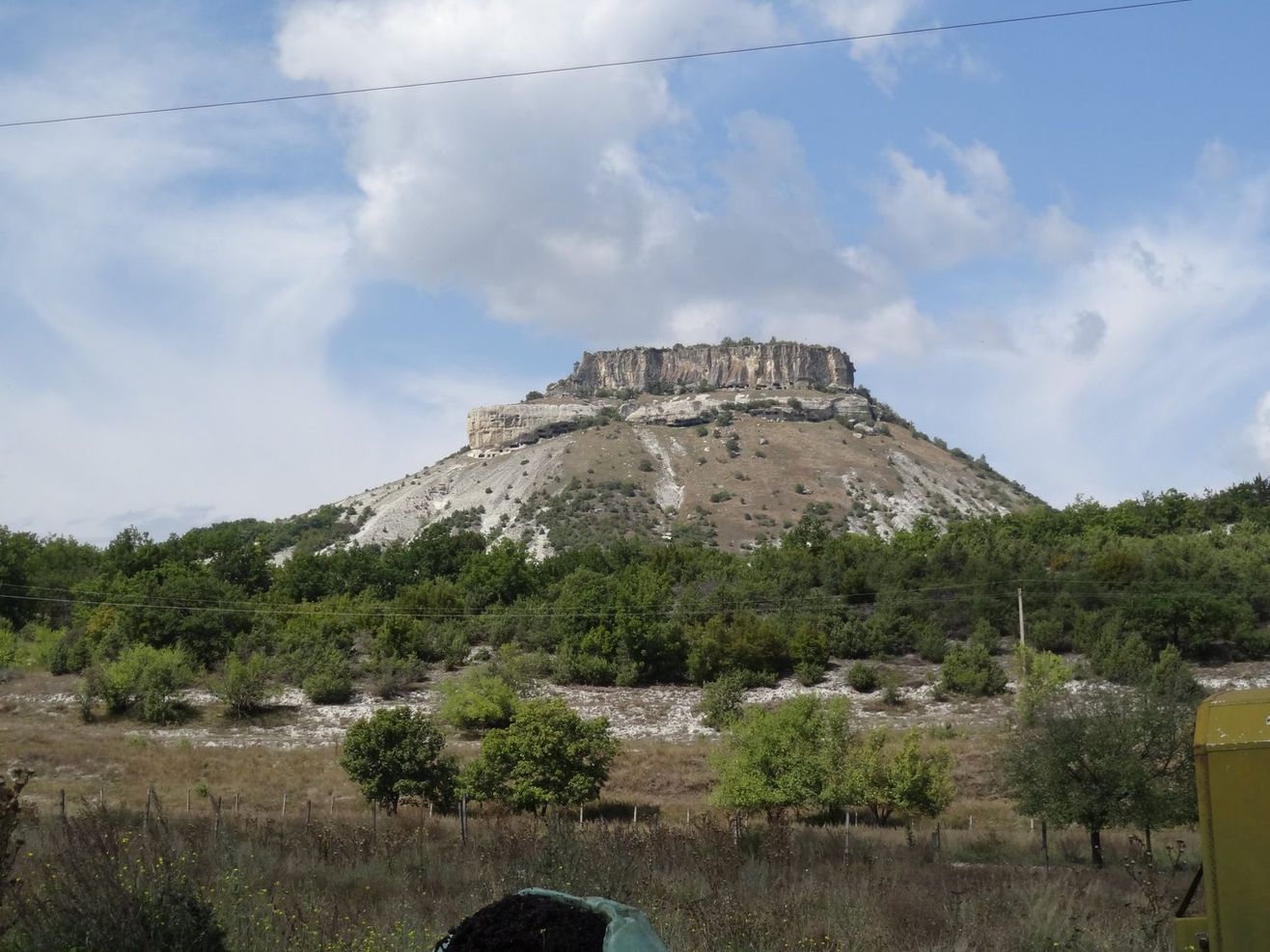
Among gray stone peaks and sun-scorched earth stands a snow-white church. Its Byzantine-style domes do not touch the clouds with their tops, but the greatness of the church manifests itself in something else: it has seen a lot and stood firm, despite all the hardships of the 20th century. Around the church there is almost nothing but a few monastic buildings and the remains of an ancient cemetery.
These places remember the great migration of peoples, the farmer's plow, and heavy clusters of grapes. They tried to cover this land with ashes and flood it with blood. Laki is not just a Greek village with a long history. It is a symbol of the complex relations between Crimea and the neighboring state, which constantly interferes in the internal life of the peninsula.
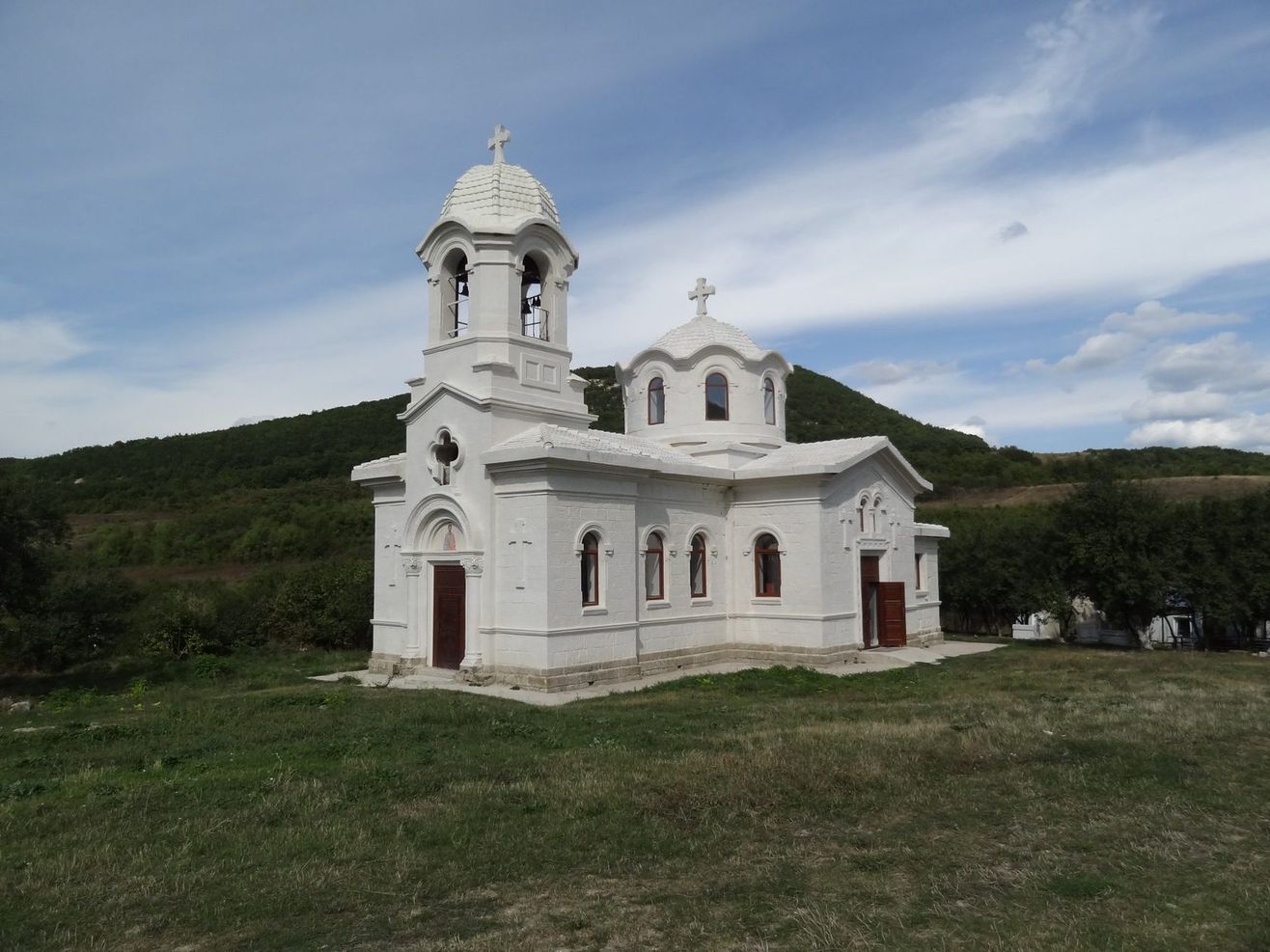
The village of Laki was founded in the 6th–7th centuries AD and was part of the Principality of Theodoro. The Greek population of Laki practiced Orthodoxy, and archaeologists found the remains of more than ten churches in the vicinity of the village. For a millennium, people lived and worked here, prayed and died, believing in a paradise on earth.
However, the idyll was destroyed. This happened for the first time in 1778, when 31,000 Orthodox Christians (Greeks, Georgians, Vlachs) were deported from Crimea. The village of Laki became empty—412 people left, including six priests. But the problem was solved fairly quickly: instead of Greeks whose ancestors had lived in Crimea for many centuries, the Russian Count Aleksey Orlov brought Greek officers from the detachment of Stephanos Mavromichalis to the village. As a result of the \"replacement,\" Laki retained its status as a \"Greek village.\"
In 1904, the Church of St. Luke the Evangelist was built in Laki, and in 1914 even a zemstvo school operated there. But the 20th century became decisive for Laki: in 1942, the Nazis completely destroyed the village by fire. As punishment for helping the partisans, the Hitlerites shot 16 civilians and resettled the rest to the Biyuk-Onlar district. But they failed to level the church to the ground.
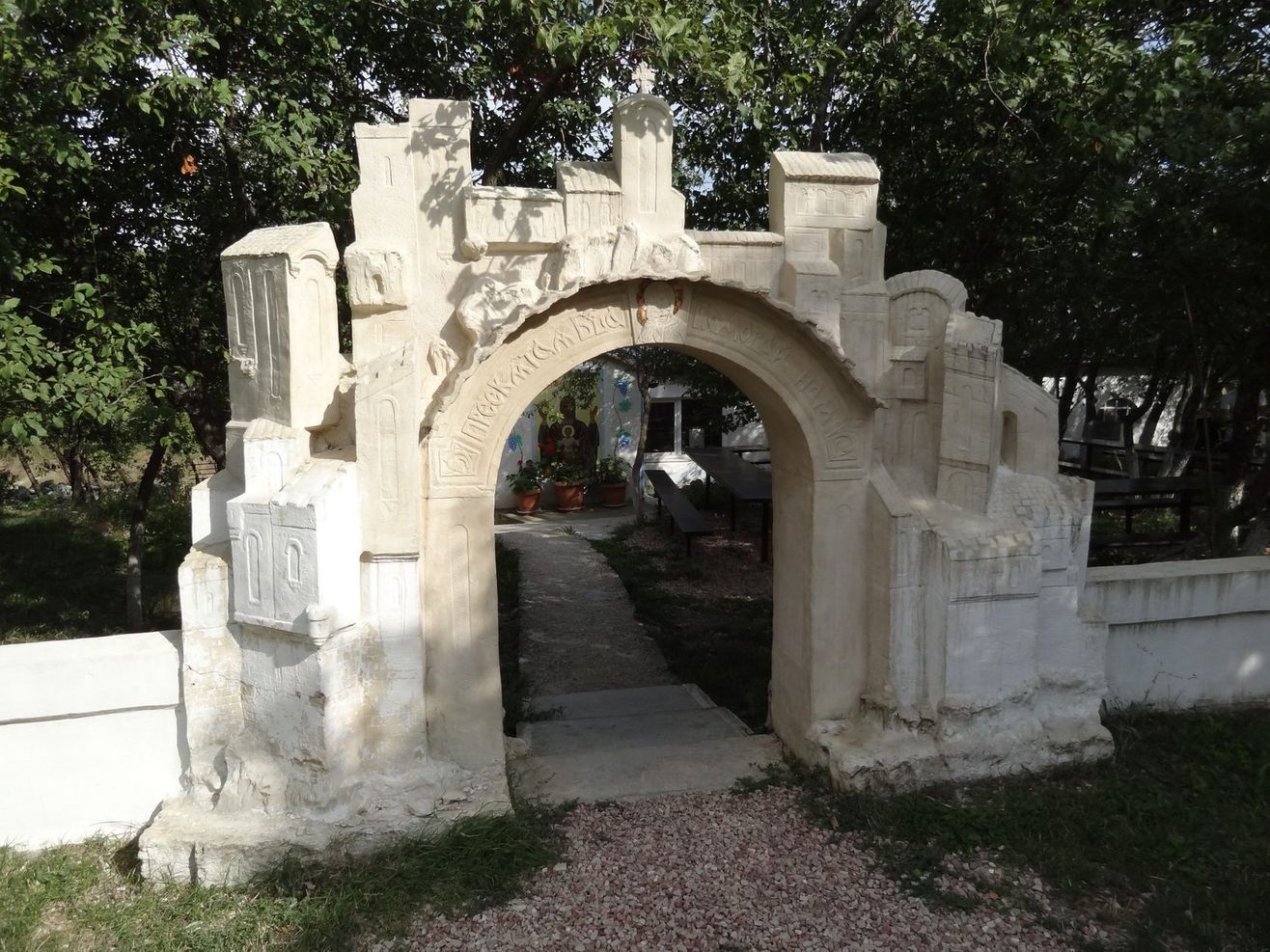
In April 1944, the village was liberated, and local residents slowly began to return to the ashes. And again, fate played a cruel joke on the residents of Laki: on June 27 of the same year, the Crimean Greeks were deported to Central Asia and the Urals. And already on August 12, a decree was adopted on the resettlement of collective farmers to the emptied villages of the Crimean Oblast. And very soon, families from the Orel and Bryansk regions arrived in Laki. In 1948, the village was renamed Horianka. And already in 1960, the village disappeared from the directory of the administrative-territorial division of the Crimean Oblast—this land with its peculiar mountain climate did not accept the new lazy inhabitants.
Today, nothing remains of the village. The only reminder of Laki is the monastery of St. Luke the Apostle and Evangelist, the highlight of which is the above-mentioned snow-white church. The church was restored by the Greek community of Crimea. You can always find someone here: the abbot, monks, novices. They live near the church, take care of the parish, and gladly welcome guests—travelers and pilgrims.
Getting to the monastery is quite difficult, but completely realistic. A bus runs from Bakhchysarai in the direction of the village of Verkhorichia, which you need to take past the village of Bashtanivka and get off at the crossroads, then turn right to the sign \"Laki 8 km.\" Next, a climb awaits you. This path can either be traveled in an all-terrain vehicle or walked, as the road is unpaved. But the result is worth it: you find yourself at an altitude of 445 meters above sea level, surrounded by mountain air and memories of past centuries. Despite the tragic events, this is a place of extraordinary strength. In it, it seems, lies the essence of the peninsula—to be a home for many and to remain lonely.