The Capital of Forest Silence
Solkhat is the heart of an ancient Crimean land that dissolved in the ages.
Maksym Dubovyaz. "Krymska Svitlytsia" newspaper, 2017, issue No. 8
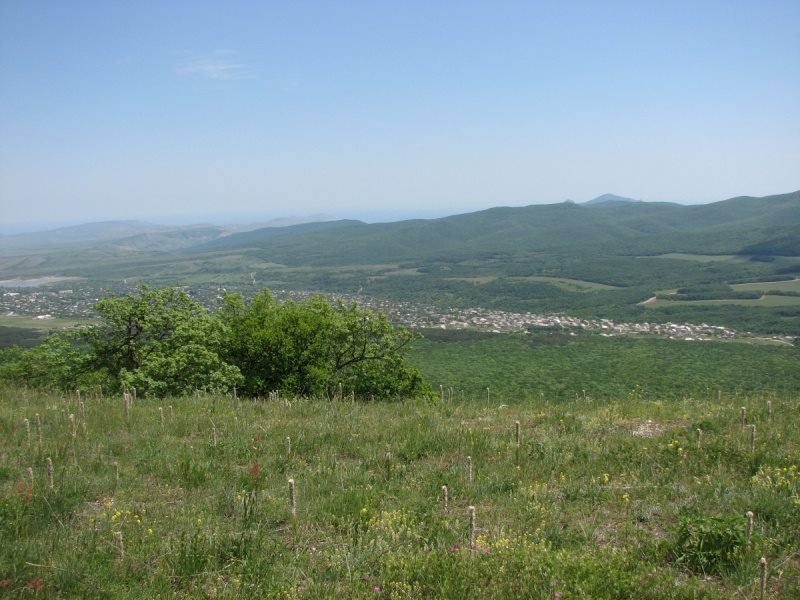
In the hustle and bustle of a dazzling sunny summer, when, after visiting the ruins of the Genoese fortress in Sudak in the evening, a tourist already throws their heat-weary body into a bus in the morning to see the palaces of Yalta or the caves of Chatyr-Dag, few think of slowing down the pace of life and finding coziness. But does it exist in the turbulent resort of Crimea? Yes, it does. It is very close, cars pass by it from Feodosiya to the west; it seems entirely ordinary, like all those roadside settlements in Crimea and in southern Ukraine in general. But it is here that the heart of an ancient land lies, dissolved in the centuries and among the trees of the surrounding forests.
This is Staryi Krym (Old Crimea). Whether it gave its name to the former Taurida, or, conversely, the peninsula fixed its modern identity through this name—it no longer matters; once it was called simply Crimea. Once, neglected by the late Middle Ages, it almost became the capital of the peninsula again. The Russian Empire did not immediately decide where the capital city of its newly conquered Taurida territories should be, or even what it would be called: Simferopol, Levkopol? Levkopol Staryi Krym was for a short time; the beautiful artificial Greek name did not take root here, and the provincial status did not stick either. From then until now, it has remained the provincial Staryi Krym, not even a district center.
Solkhat—that was its name when a completely separate life existed in the surrounding forested mountains, which was known as Maritime Armenia. In the trade and port cities of that Crimea, Armenian specialists, stonemasons, as well as those whose profession is now called accountants or economists, were in demand and prominent to such an extent that Genoese financial papers had a very noticeable Armenian accent. But that Armenia itself lived in tiny towns in the forests, near the streams and springs from which small Crimean rivers originate.
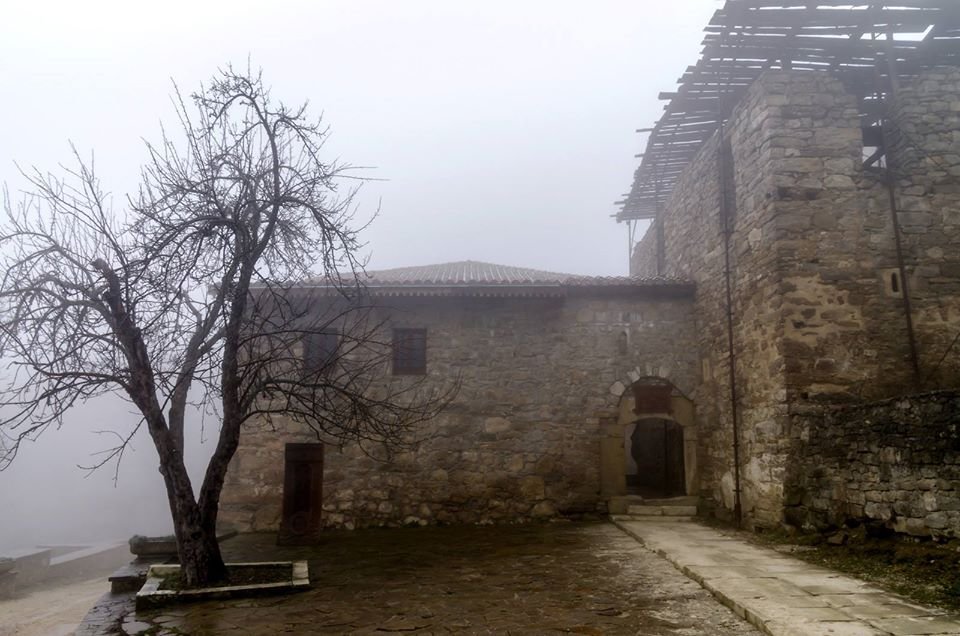
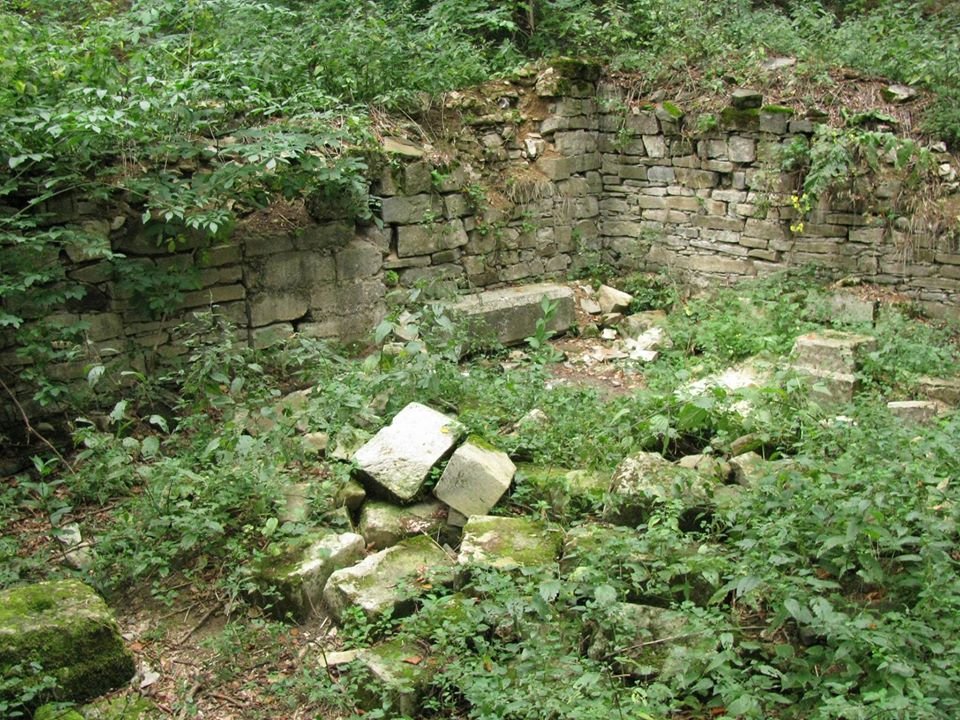
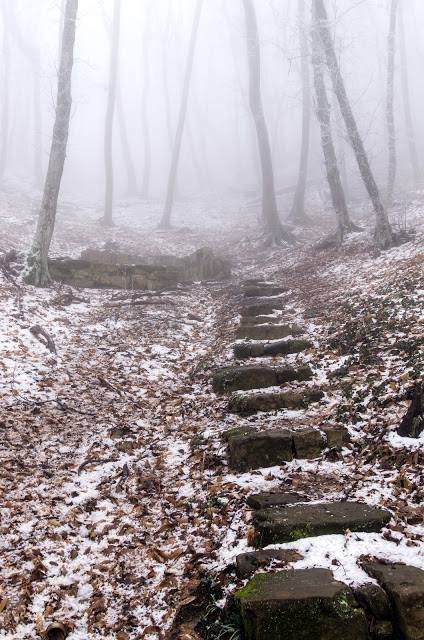
The normal dimensions of these towns were five hundred by five hundred paces, with presumably small fields, orchards, and gardens around them. In the forests of southeastern Crimea, and even along the highway, one can occasionally spot the remains of ancient stonemasonry—these are the remnants of roads that connected these towns, leading to the sea but mostly running through the forests. Monasteries and temples have survived—in various stages of ruin, some are even active now, like the famous Surb Khach, while about others, not even all of their pilgrims know...
People who value peace lived and still live here. Among them were those who achieved fame, and here they found physical and spiritual rest, sometimes eternal. People of vibrant lives chose the tranquility of this forest land, probably due to the heightened sensitivity of their creative souls. Outwardly, it looks like an ordinary, simple town, so much so that it seems... somehow not Crimean. But this is Crimea, too. Staryi Krym...