The N-sky District and Its Surprises
Nyzhniohirskyi District of Crimea is a flat, steppe region, convenient for farming and animal husbandry, interesting for hunting and fishing.
Valeriy Verkhovskyi. Newspaper "Krymska Svitlytsia", 2019, issues No. 15-16
This is a little-known corner of the Crimean land, far from tourist routes and, seemingly, deprived of attractiveness. Its entire mission seems to be to flash by on the way to the southern coast and disappear from memory.
A land lying below the mountains; the Nyzhniohirskyi district of Crimea is a flat, steppe region, convenient for farming and animal husbandry, interesting for hunting and fishing. There is also a variety of wild herbs here, and the steppe wind from the Syvash smells of chamomile (roman-zillia). By the way, for some reason, the local residents pronounce the name of the Syvash only in the plural: "Syvashes".
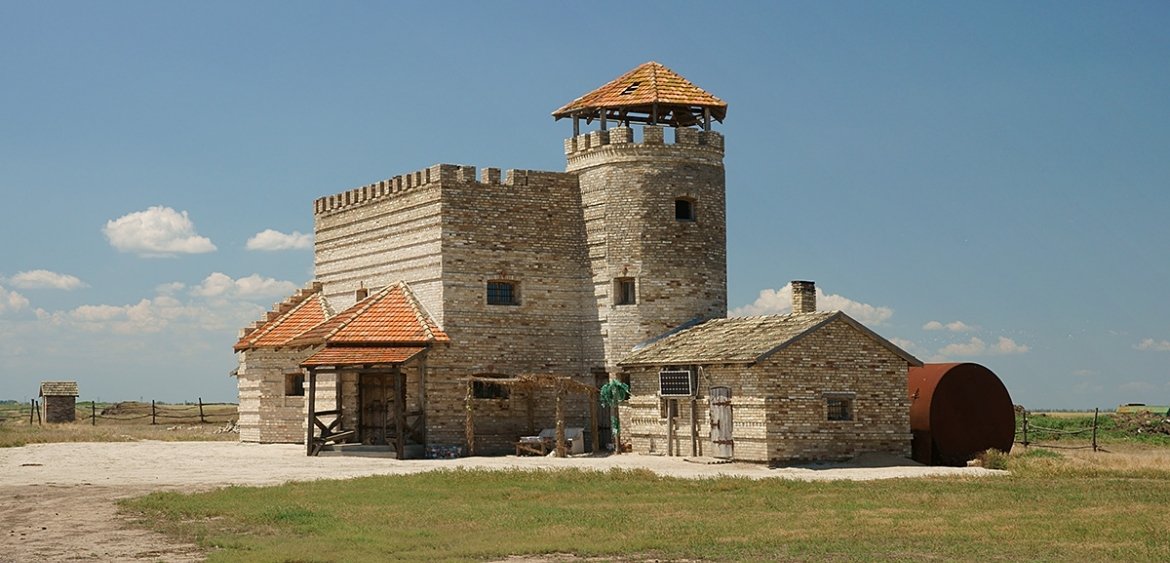
Vvedensky Castle
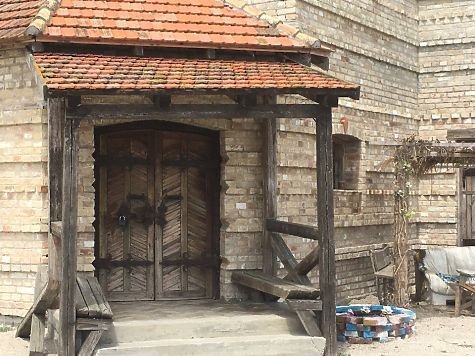
Photo of the castle
In ancient times, the Arabat Spit, obviously, did not exist yet, and it is quite possible that it was a series of islets, so sea waters washed the shores of Nyzhniohirya. On the territory of the current Nyzhniohirskyi district, according to some hypotheses, was located the port city on the Azov Sea described in ancient times by Herodotus – Cremni.
This is all, of course, just an assumption. But ancient times are also evidenced by the findings of archaeologists: a two-thousand-year-old Sarmatian burial was found here. The Nohaichynskyi barrow near the village of Chervone contained a real treasure. This became clear during excavations in 1974. A woman aged 35-44 was buried here two thousand years ago. Around her neck she had a gold torque (hryvnia), earrings lay near her temples, a diadem was on her forehead, and bracelets were on her wrists and ankles.
In addition, in the jewelry box found nearby, there were: a dolphin-shaped fibula made of rock crystal, a medallion, a ring, pendants in the shape of lion heads, and other decorations. Some decorations were identified as made in Egypt. The total weight of the gold found was 2 kilograms, which gave historians reason to assume that this was the burial of not just a noble woman, but a queen or princess. She could have been the legendary Amaga, Queen of the Sarmatians, or even one of the daughters of King Mithridates Eupator.
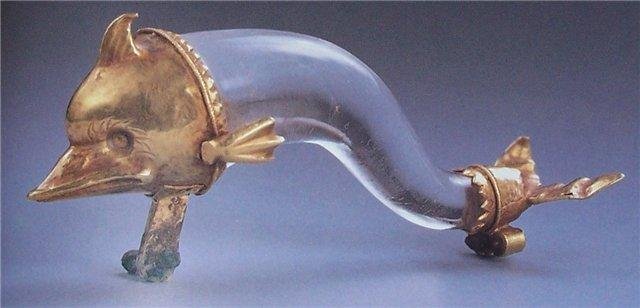
Fibula from the Nohaichynskyi barrow
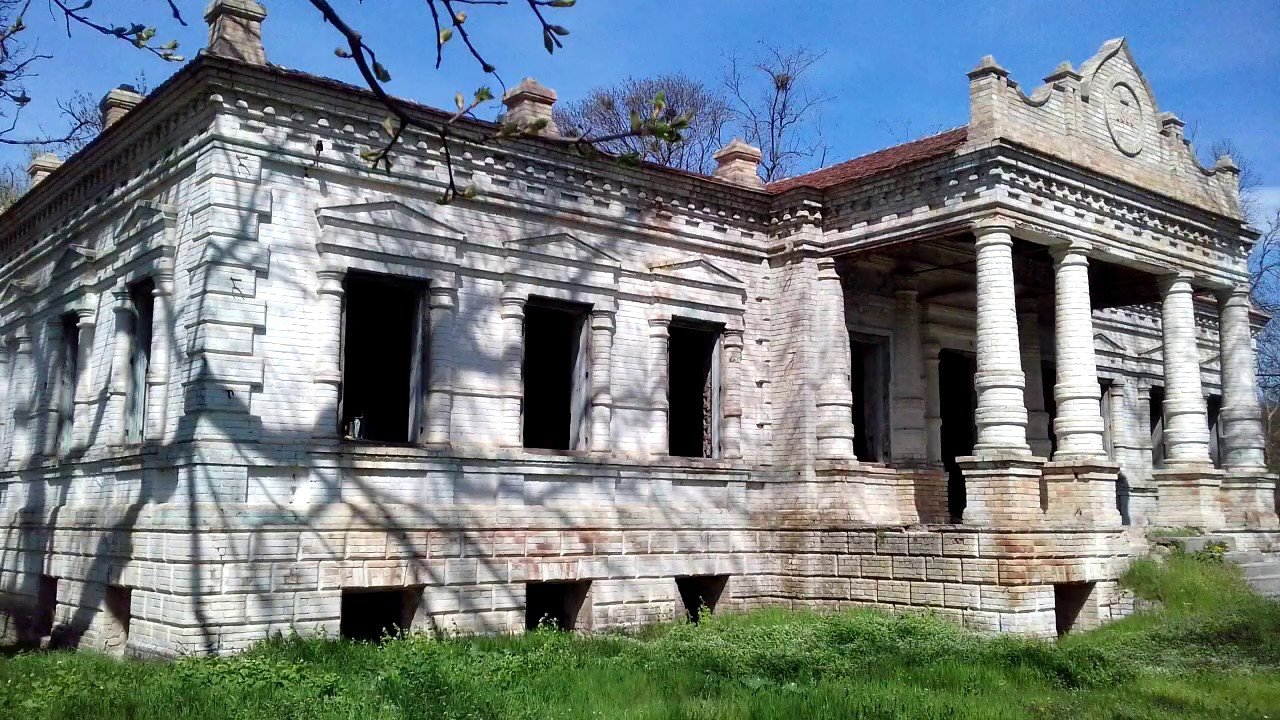
Shatilov Estate
The estate of the landowner Shatilov belongs, of course, to a later era. Iosif Shatilov (1824-1889) is known for achievements in forest planting and gardening in the arid Syvash steppe. The Shatilov estate in the village of Tsvitushche (Kyzyl-Korpe) now has a neglected appearance, but during its 150-year history, it housed not only a landowner's estate and the management of a local collective farm, but also the headquarters of German troops headed by Field Marshal Manstein.
Slightly further, in the village of Izobilne, which is almost under the Syvashes themselves, there is a lodge for hunters and fishermen – Vvedensky Castle. This mini-hotel is, of course, a new building, but the owner of this architectural curiosity is proud that the building was erected from two-hundred-year-old bricks.
It is worth stopping here, in the inconspicuous and non-resort Nyzhniohirskyi district, at least for a short time. At least in an attempt to get to know another Crimea: steppe, flat, dry-windy... Its modest charm will not fade from memory.